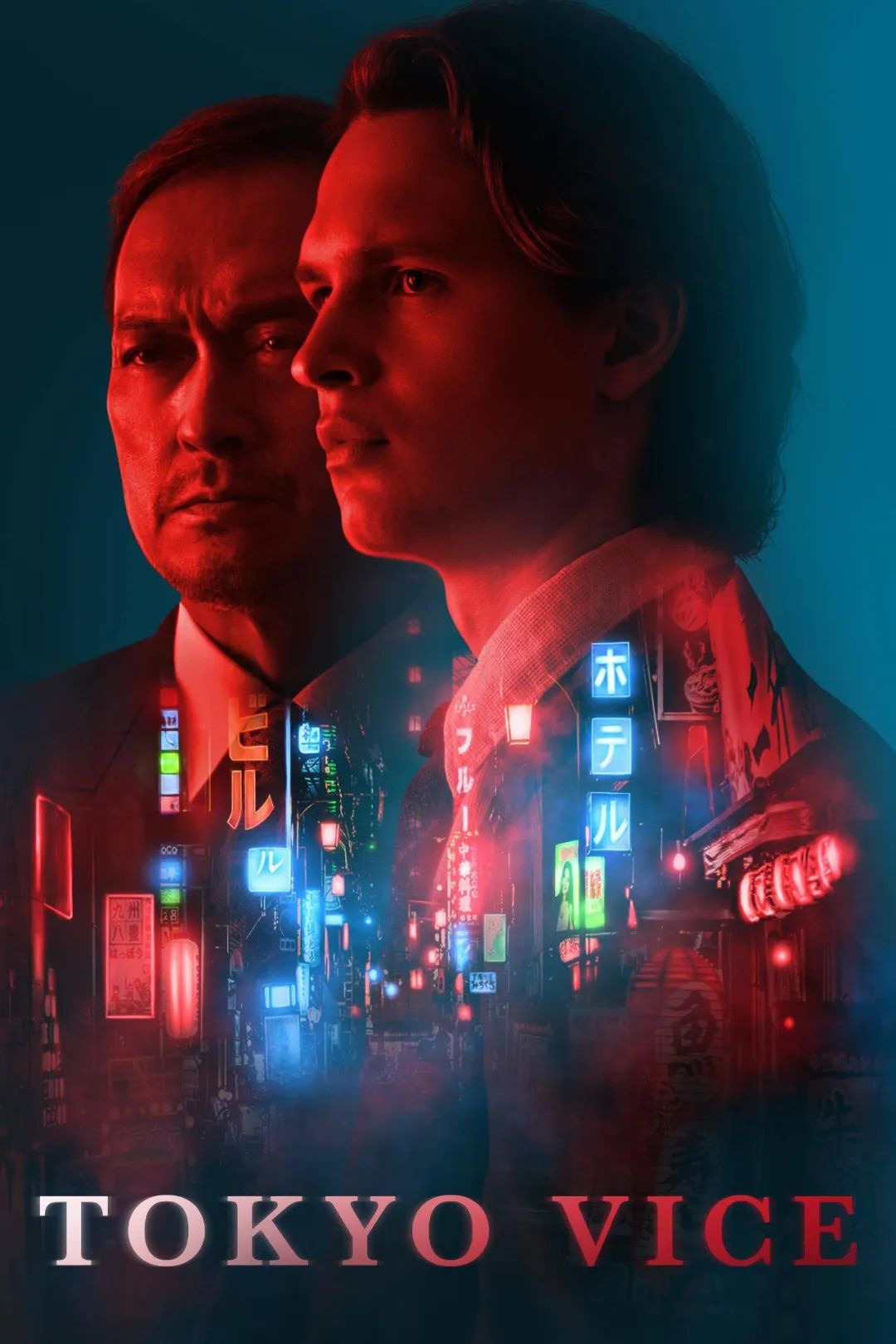
Tokyo Sin: Americans Lost in Japanese Culture

Text | Li Qinyu


The director is michael mann, who has filmed The Wire and Miami Vice, starring Japanese tough guy Ken Watanabe, and the elements in the plot include gangs and murders. It is estimated that many viewers will preconceived that "Tokyo Crime" is an action movie with hot scenes and hard contents.

But obviously they will be disappointed. The plot is progressing slowly, the style is serious and dull, and even the characters in the play have a sense of powerlessness, all of which remind us that this drama is by no means a "cool drama". On the contrary, it is a life record that shocks the soul and a unique text that tells about social problems and changes of the times.
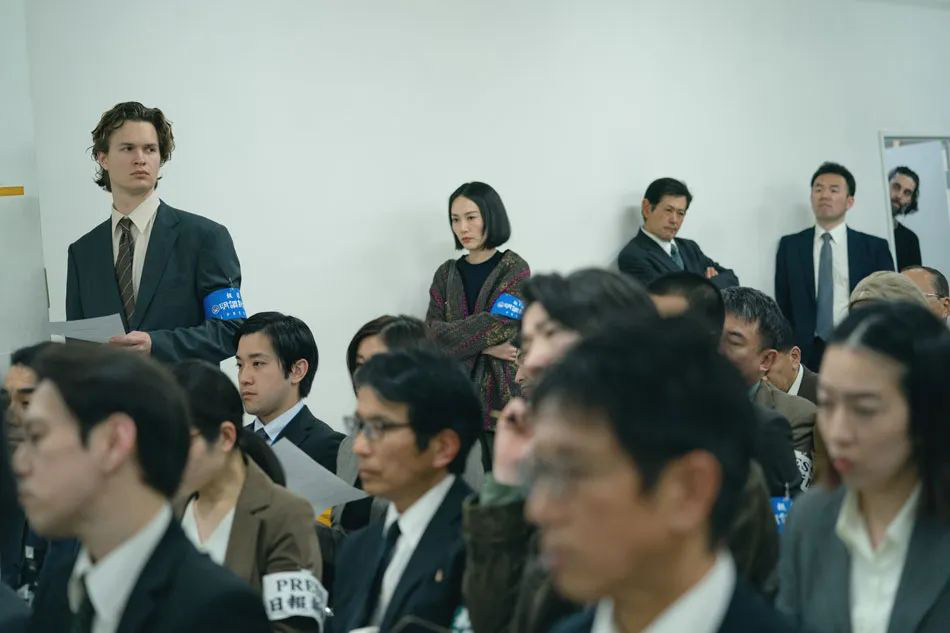
After finishing college in Japan, American Jack Adelstam (the prototype of the protagonist Jack) applied for a job and entered the Yomiuri Shimbun, Japan’s largest newspaper (that is, Ming Diao news in TV series), becoming one of the few American journalists who were allowed to enter the mysterious Tokyo Metropolitan Police Department to report crimes. He also wrote this strange life experience into a best-selling book "Tokyo Sin".

This drama, adapted from this, tells the real crime story in Japan from a unique perspective, and also explores the modern gangster world that I rarely see in Japan, indirectly reflecting the complicated and sometimes interdependent relationship among journalists, police and gangsters.


From America to Japan: Living elsewhere


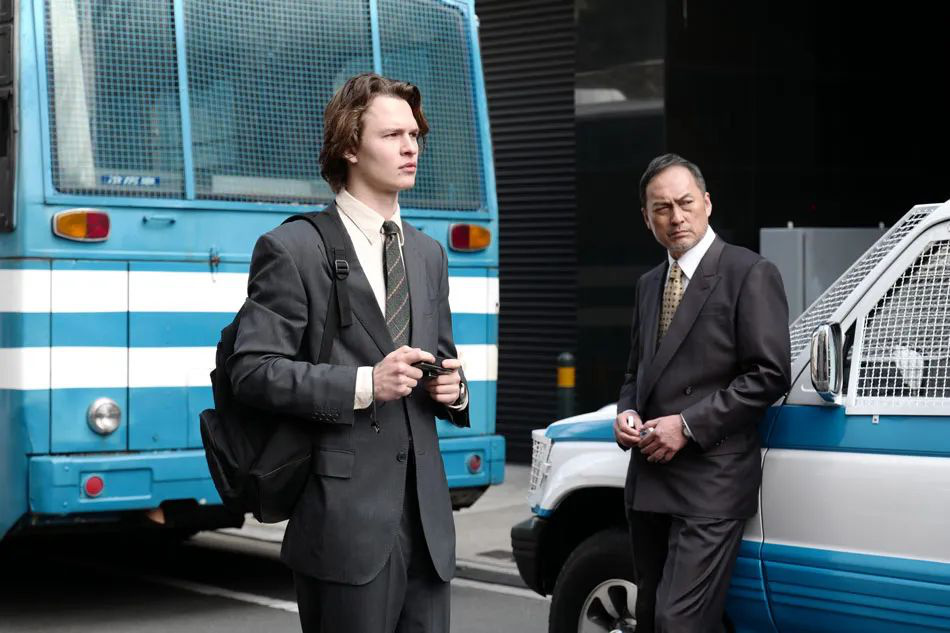
Although this drama has gathered many Japanese first-line movie stars, the most eye-catching one is Jack, who speaks fluent Japanese and is played by Ansel Elgort. This young American actor, who just starred in west side story, stands out among the Japanese and becomes a unique scenery.
Jack’s relationship with his father is not good, and his sister suffers from depression. He left his hometown and came to Tokyo, Japan, just to start a new life and pursue his dreams. And he did find his spiritual "father" again-Pan Tong, played by Ken Watanabe, who was honest and brave and taught and helped him all the way.

Not only Jack, but also Samantha, the hostess played by Rachel Keller, came to Tokyo to get rid of the unbearable past. These foreign faces in Tokyo are the most obvious metaphor of this play-from the perspective of Americans, going to Japan is more like "living elsewhere."

This is reminiscent of Goethe’s keen interest in China culture, especially China literature, and his mentality of creating "world literature". Frankly speaking, this is not how much Goethe loved China at that time, but the urgent feeling of wanting to obtain fresher cultural resources from the outside when the western world became more and more lifeless.
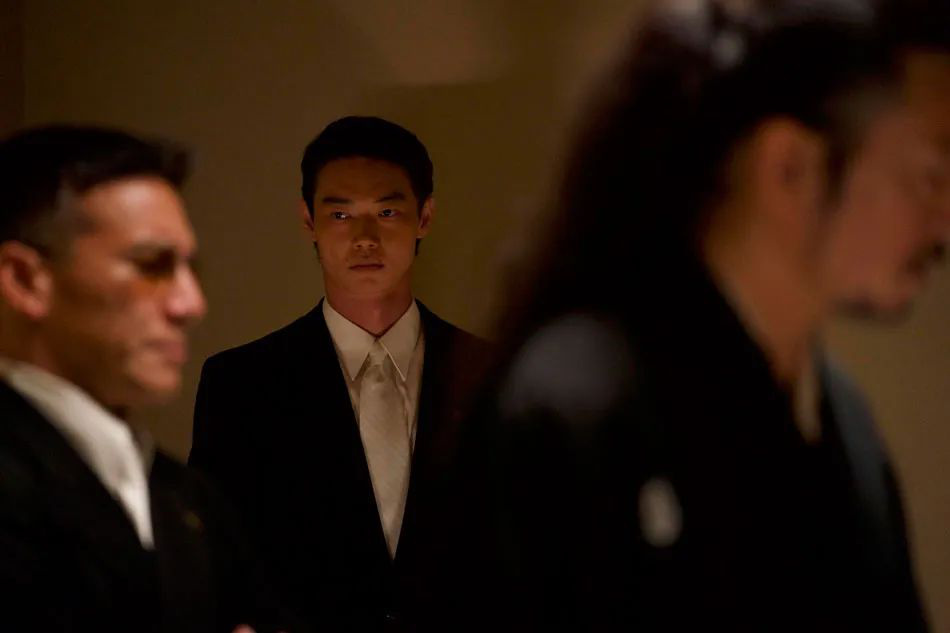
The mysterious and ancient Japanese culture is obviously attractive to "Jack" from America. In Ramen Girl, brittany murphy redeems her failed relationship by learning Japanese food culture. In "Kill Bill", uma thurman showed the American audience the aesthetics of violence. In The Last Samurai, Tom Cruise realized the Zen Buddhism of "nothing originally" and "life and death are all delusional" and the Bushido spirit of self-reliance and self-denial regardless of life and death.

In "Tokyo Sin", the first lesson that Piantong taught Jack was the "ceremony" in Japanese culture. It is by no means the set of values that police officers in the Jianghu Miyamoto uphold that focus on trading and buying and selling (this is precisely American culture), but the "righteousness" advocated by traditional Japanese. It is precisely because of Jack’s journalistic ideal in front of Piantong that Piantong is willing to help him.

In other words, the reason why "Jack" people are so obsessed with Tokyo is not that they are attracted by its sounds, dogs, horses, and traffic (which are all in America), but that they want to pursue new ideals and infinite possibilities here.
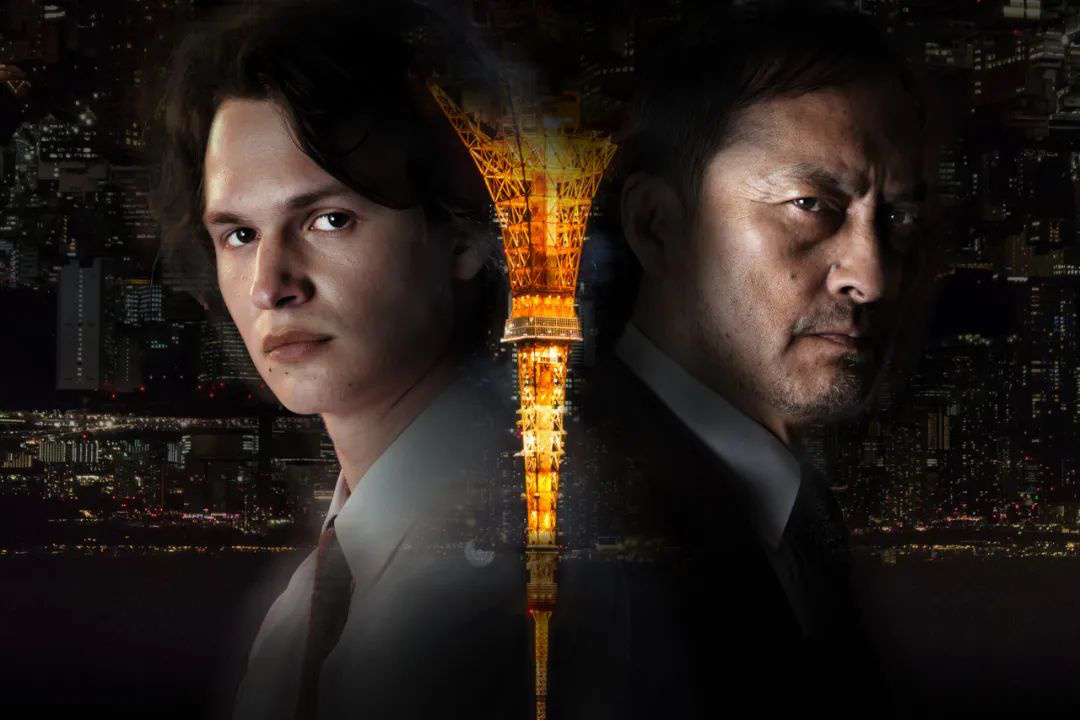
Conflict and misunderstanding: guilt culture and shame culture


Although jack was full of hope for his new life, he was hit on the head as soon as he entered the newspaper. The elder Yumi Maruyama warned Jack that he was not qualified to regard her as a "friend", let alone to call her by her first name. This is the important difference between American guilt culture and Japanese shame culture. The "original sin consciousness" produced by guilt culture makes Americans think that since everyone has "original sin", then everyone is equal; But for the Japanese, the root of conscience is the relationship between people, and the root of its culture comes from family relations.

It is clearly stated in Chrysanthemum and Knife that Japan "has a very thoughtful hierarchy in politics, religion, military, industry and other fields. No matter whether it is the upper level or the lower level, it will be punished if it exceeds its privileged scope." Therefore, Jack has to strictly abide by the hierarchy of the newspaper. Even if he finds a breakthrough clue in the report, he must obey the unreasonable orders of his boss (played by Kohsuke Toyohara)-the report must be written according to the police’s notification and cannot have his own creative content.

This also involves the main plot of the play-a series of murders created by the underworld Huze Group. They colluded with banks, used usury to push customers into the abyss of eternal ruin, and then forced customers to commit suicide by insulting and threatening to defraud huge expenses.
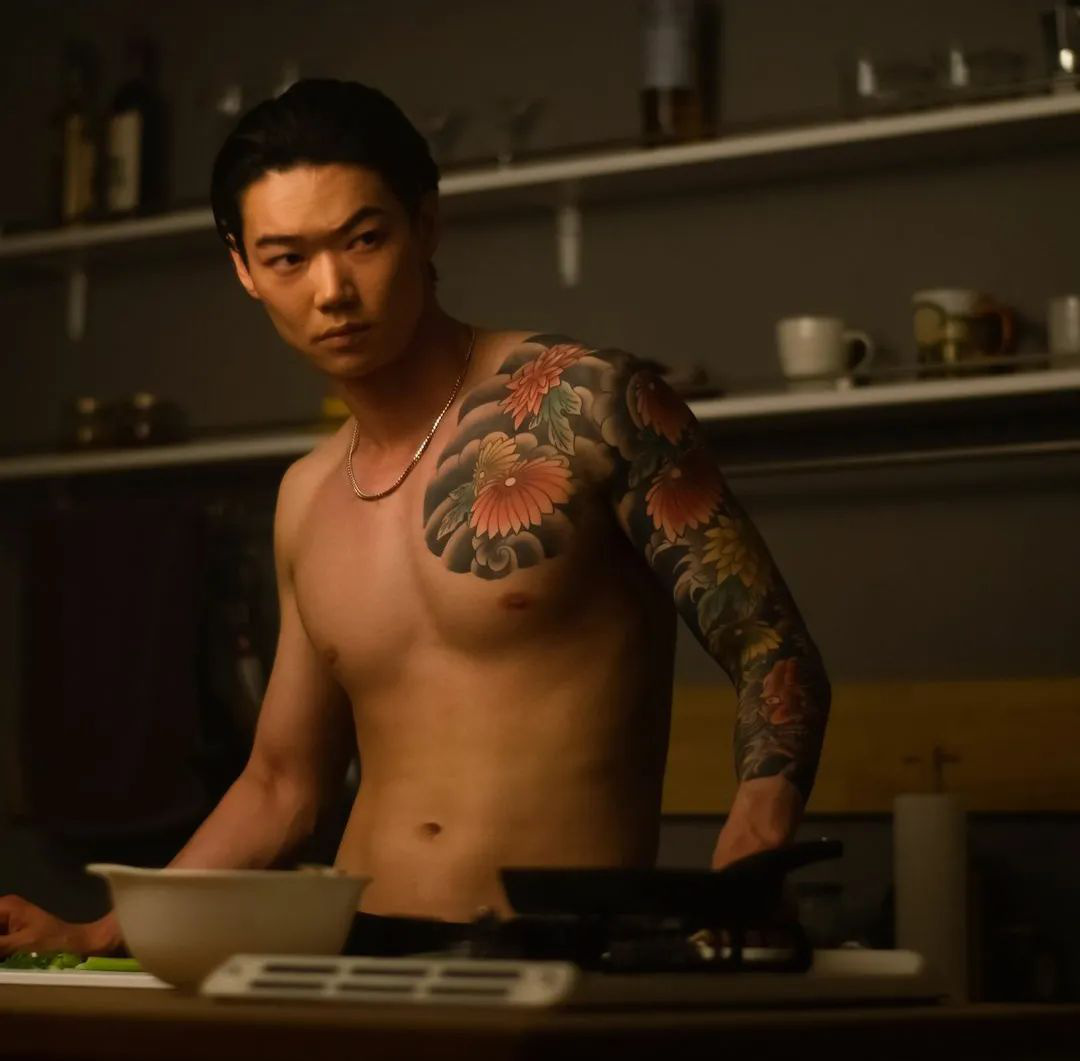
Perhaps some viewers will wonder why the Japanese choose to commit suicide after being insulted. This also shows the difference between guilt culture and shame culture in terms of restriction mechanism-the real guilt culture relies on the reflection of guilt in the heart to do good deeds; The real shame culture relies on external coercion to do good deeds. Therefore, in the shame culture, what matters is not what you have done, but whether you have been discovered by outsiders. This is the root cause of the victim’s unbearable humiliation and anger and suicide.

On the other hand, shame requires the presence of outsiders, at least to feel that outsiders are present. In other words, as long as the evil deeds are not discovered, it seems that they can get away with it. This is why police officer Miyamoto told Jack that there was "no" murder in Japan, and Mingdiao News did not support Jack’s further investigation at first. Jack sighed in the bar, "At least there is investigation news in the United States". Behind a complaint, it is the fierce conflict and huge difference between the two cultures.


Lost in Tokyo: An Outsider of Japanese Culture


Milan Kundera said, "Man is the one who walks in the fog." Facing the fog, people can only see the narrow space in front of them. Jack hopes to see the running logic of Tokyo gangs through news investigation, but he doesn’t realize that the power of individuals or even any organization is negligible in the face of the rolling wheel of history.
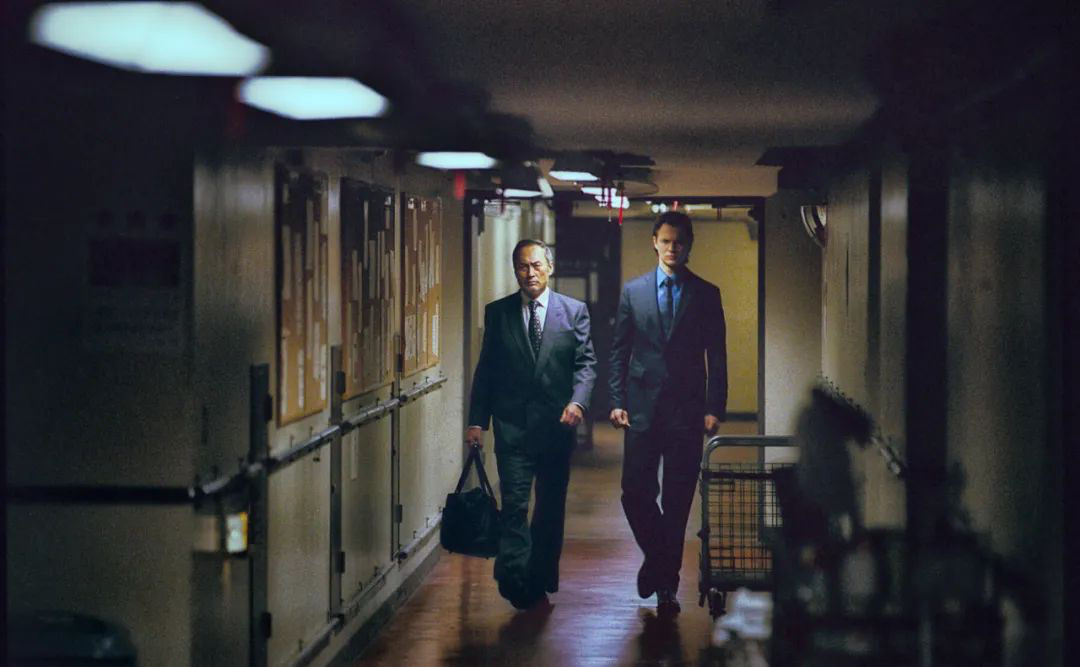
Huze Group and Chihara Group were sworn enemies fighting for territory. Because of Jack’s help, Chihara Group got rid of the mole, but did not dare to take revenge on Huze Group. Officer Piantong advised Ishida, the leader of Chihara Group, "Ten years ago, you could easily take Huze." Ishida’s facial expression was instantly stiff, and his eyes were full of sadness and helplessness.

It turns out that the Huze group has gradually gained the upper hand by drug trafficking and dirty financial scams, while the Chihara group still adheres to the traditional values of "chivalry" and finally retreats step by step. This battle just shows the irreversible decline trend of Japanese underworld.

In the film "Mafia and Family" which was released in 2020 and starred by G Ayano, the declining Japanese gangs even relied on seashore shells to subsidize their families. As American scholar R. taggart Murphy said in his book Japan and its historical shackles, emerging economic systems have spawned brand-new industrial and social structures, the level of industrialization is getting higher and higher, and the era of "speaking with fists" is gone.
Reminiscent that this drama happened at the turn of the century, Jack, an American, will witness in Tokyo the process of reshaping Japanese social life with the changes of the times-"fortitude" and "fortitude" are no longer the criteria for judging men, and "dedication" and "sacrifice" are no longer the qualities that people admire.

In other words, due to the wave of globalization, Jack is doomed to find his ideal country in Tokyo. Whether it’s police officer Piantong or gangster friend Sato, their "loyalty" and "benevolence" will eventually turn into tears of the times and fall on the bustling streets of Tokyo.

By the way, the original work exposes the black-box operations of industries such as human trafficking and obscene transactions organized by violent gangs, and criticizes the Japanese government for failing to protect the "human rights" of hostess, but such views are, after all, on the standpoint of "American centralism".
After all, Jack lost in Tokyo can never understand the life choices of Samantha (the hostess gave her the possibility to start a new life) and Sato (the gang gave him a second life), because he is an "outsider" and an "outsider" of Japanese culture after all.

- 
Want to know the city and see the river

These rivers have their own characteristics, some are picturesque, some are thick and distant, and some are nourishing and nurturing.
Wen Miao Zou Xiang Editor Jin Mingda
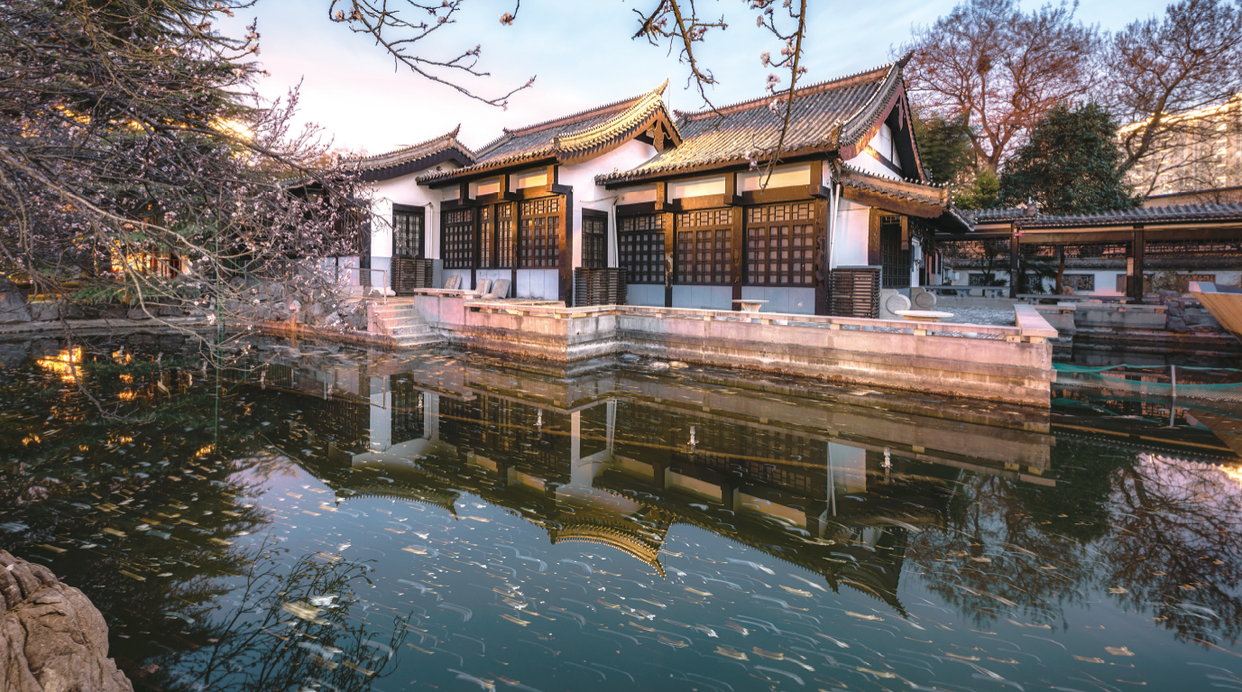
On March 11th, 2020, in Zhengzhou, Henan Province, the antique building beside Jinshui River: Suihe Songsi.
In recent years, due to the need of work, I have almost traveled all over the country and visited many overseas countries and regions. Every time I go to a city, I will check the local traffic map to see if there is a river there.
Because I found that many cities have one or more rivers that run through the whole city, or bear the history of the city, or become the spokesperson of the city, or affect the development of the city. For example, the Luohe River in Luoyang, the Yellow River in Jiyuan, the Changpu River in Beijing, the Funan River in Chengdu, the Qinhuai River in Nanjing, the Huangpu River in Shanghai, etc., and the Chao Phraya River in Bangkok, the Thames River in London, the Charles River in Boston, etc.
These rivers have their own characteristics, some are picturesque, some are thick and distant, and some are nourishing and nurturing.
Historical witness times
A city, as long as it has a river of its own, is not simple, but more meaningful. Often a river will determine the style of a city, and even the rise and fall of the city.
British politician john burns once said, "The Thames is the most beautiful river in the world because it is a flowing history." It is true that on the banks of the Thames, there are too many unforgettable histories, which have influenced generation after generation.
Thames is a river located in the southwest of England, with a total length of 346 kilometers, which runs through London, the capital of England, and more than ten cities along the river, with a drainage area of 13,000 square kilometers. The Thames has a stable water level, a slow flow rate, a wide river and a deep water depth, which occupies the benefits of shipping.
In British history, the Thames valley occupies a pivotal position. The famous attractions in London, such as the London Eye, Big Ben and Westminster Abbey, are all located on the banks of the river. In the evening, the banks of the river are brightly lit and neon-lit, giving people endless beauty.
The Thames has always been the object of singing praises by literati, writers and poets, as well as sketching by painters from all over the world, and it is also the only place for tourists from all over the world to visit the ancient times. In October 2014, I made a special trip to visit the Thames, which was called "Mother River" by the British. After visiting all kinds of buildings, statues and churches along the river, we can’t help but admire the extraordinary and extraordinary success of this river.
Sitting on the stone bench by the river, thinking about the deceased celebrities such as Faraday, Guibert and Morris, and thinking about the artistic charm of England, I can’t help but feel infinite sigh. This ancient and mysterious river is not only a witness of history, but also a participant in history. It always flows slowly there for a long time!
Wang Shi you you Jin shui he
Forget the distant river, just talk about the river in Zhengzhou, the capital of Henan Province, where I live!
In Zhengzhou, there are six rivers loaded with the city’s civilization, including Jinshui River, Xiong ‘er River, Jia Luhe, Suoxu River, Qili River and Dongfeng Canal. Among them, the Jinshui River, Xiong ‘er River and Dongfeng Canal are the ones I am most familiar with and often visit.
Jinshui River is the oldest river in Zhengzhou. It is like a ribbon, from west to east, closely connected with the city of Zhengzhou. The origin of this river is closely related to Zi Chan, an enlightened politician of Zheng in the Spring and Autumn Period.
2500 years ago, in the Spring and Autumn Period, there was a famous politician in Zheng State in Zhengzhou. During his 26 years in office, Zi Chan was honest and selfless, and his family was still poor when he died. The local people were moved by his fairness and honesty, and when he died, they took out their gold and silver jewelry and wanted to use them to bury him. However, his family refused to accept it according to his living will, so the people threw gold and silver jewelry into the river to commemorate the virtue of Zi Chan. This river is also golden because of the brilliant light of jewelry, hence the name Jinshui River.
Jinshui River has been diverted many times, the most recent time was at the end of 1939. Since 1996, Zhengzhou municipal government has repeatedly treated Jinshui River, thoroughly dredged the bottom of Jinshui River, reinforced the riverbank, planted trees and flowers in sections, and built a Jinshui River Riverside Park with five scenic spots and 11.3 kilometers long. Since then, Zhengzhou people have had a clear stream of blue waves.
This river has witnessed the historical changes of Zhengzhou. No matter how the city develops and changes, it is always there, and it is silent.
Let people talk about Dongfeng canal
Dongfeng Canal is a relatively young river in Zhengzhou city. It was dug in 1958 and is an irrigation canal for diverting water from the Yellow River.
In 1960 and 1961, the Yellow River water was tried twice in Dongfeng Canal, but due to sediment deposition, the land on both sides of the river was salinized and could not be used any more. Since 1962, the north channel of Dongfeng Canal has been out of use. Since then, Dongfeng Canal has gradually become the main flood discharge and sewage discharge channel in Zhengzhou city and suburbs.
The weeping willows on both sides of the Dongfeng Canal, like green screens, are gentle and affectionate in a city with many high-rise buildings. Especially in the spring of March, when wicker flies, citizens who come to take photos and watch can be seen everywhere next to Dongfeng Canal, and colorful photos are instantly fixed into eternity.
As a river lover, I have deep feelings with Dongfeng Canal. I remember when I just graduated, my unit was in a tall building next to Dongfeng Canal, and I would meet Dongfeng Canal every time I went to work. I have written many articles about Dongfeng Canal, especially the heartbreaking scene when it dries up. Later, the local military and civilians carried out dredging and renovation, and built a number of suspension bridges on the canal, which facilitated pedestrians on both sides of the strait and added beautiful scenery to the city.
Because it is not far away, I often take my family to the Dongfeng Canal to play. Whenever there are unhappy things or troubles in my heart, I will sit alone on the bench on the bank of Dongfeng Canal for a while to sort out my tired mood and find my confidence. Dongfeng Canal is like a "punching bag", and it can always listen patiently to the people around it. Although it is silent, it can always make people feel that it has been paying attention to, listening to and blessing us, hoping that we will live better and better.
At present, Zhengzhou municipal government has built Dongfeng Canal into an urban ecological landscape corridor integrating flood control, ecology, landscape, culture and sightseeing. Every morning or evening, or in the leisure time on weekends, there are citizens playing and walking on both sides of Dongfeng Canal, as well as children chasing and playing, laughing and being very lively.
Wandering by the rivers in the city, our hearts are no longer lonely, because these rivers carrying endless stories and history of the city are always so docile and friendly, always willing to listen to our stories, or our joys and sorrows. Relying on the rivers of the city, our life becomes more warm and colorful.
The rivers in these cities are entrusted with the feelings of citizens, decorated with dreams of flying, shaping the appearance of cities and nourishing their development. If the city is a book, the river is its girdle. If you want to know a city, please read its rivers first!
Reporting/feedback

Ma Jingtao put on weight and sank in Shang Yan. Where’s your son who was once dressed in white?

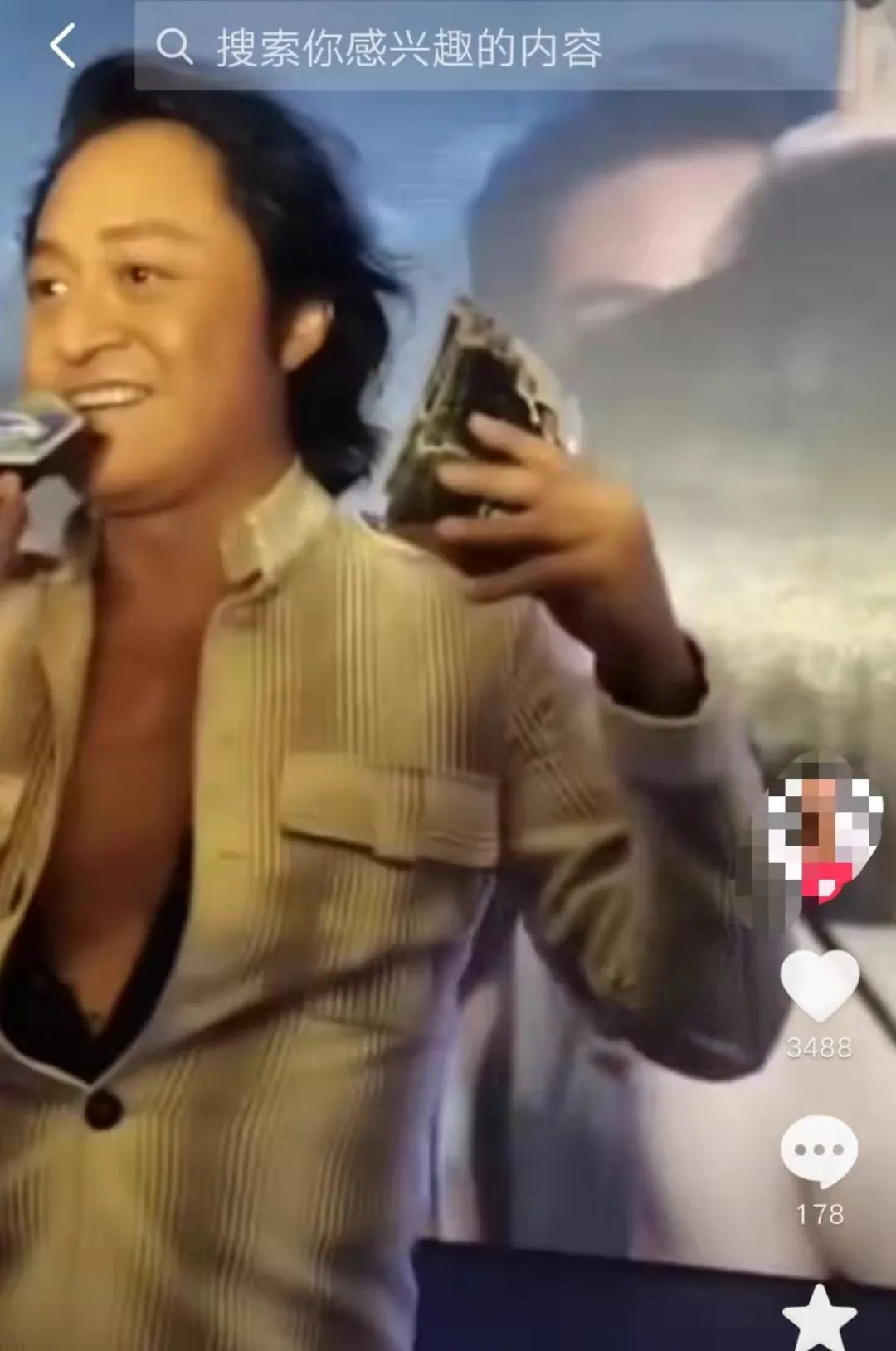
I haven’t seen Ma Jingtao in the film and television circle for a long time. Recently, his clips in Shang Yan all over the country have always flashed on short video platforms, which shocked Yi Zhanjun.

This belly? This posture? This is Ma Jingtao? !

Is this really the dashing "Mark"? "Roaring Emperor" should not be this gesture … …

Looking at the video background, it seems to be in a small space, like a commercial activity. Yi Zhanjun searched with the keyword "Ma Jingtao+Shang Yan", but I didn’t expect to find many … …

Judging from these videos, most of Ma Jingtao’s activities are Shang Yan in the atrium of shopping malls, ribbon-cutting for commercial activities, and some are like internal gatherings. According to the description of the video producer, Ma Jingtao sometimes attends the wedding scene and frequently shakes hands with the audience under his stage. Most of the time, he will sing the theme song of the same name of Qiong Yao’s TV series "Three Lane of Plum Blossoms". Sometimes, the audience under the stage still holds flashing lights.

In these videos, Ma Jingtao is fat and slightly old, but let’s see, Ma Jingtao, born in 1962, is 60 years old this year. But the original photo with a big belly and white clothes had a great visual impact! Many people, like Yi Zhanjun, asked in their messages: Is this really Ma Jingtao?

Many people complained about his dressing style in the video, but someone replied that Mark liked this style. Yi Zhanjun remembered that in the previous Tucao Conference, he seemed to be wearing white wide-leg pants with similar styles.

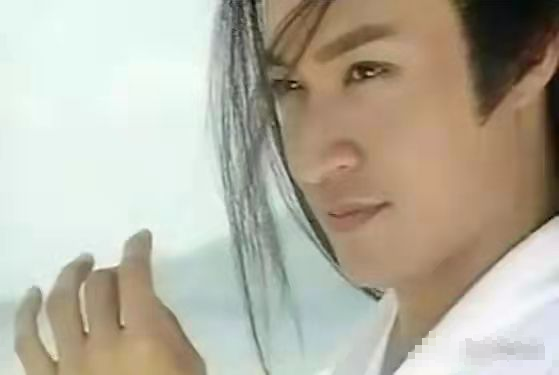
Although … … But … … I am still in the pupillary earthquake … … After all, Ma Jingtao once looked like this in everyone’s mind ↓

When I was a teenager, who didn’t let go of that "Journey to the East" on TV? Lv Dongbin is dressed in white, but also has emotional entanglements with the beautiful Bai Mudan. It’s a pity that the Millennium love robbery happened.

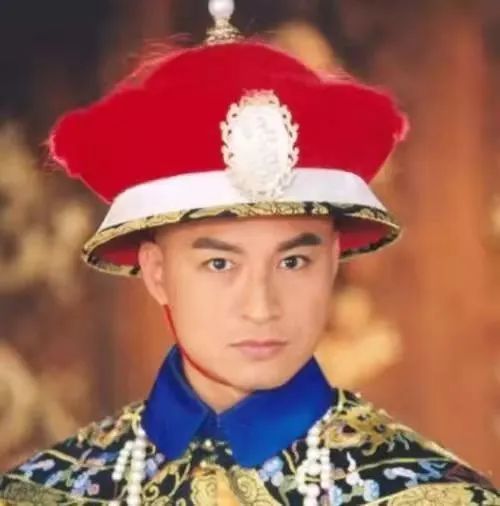
Even if you haven’t read Travels to the East, you must have read The Secret History of Xiaozhuang, right? When I think of the love and hate between Dourgen and Da Yuer, the theme song "You" — — "You are in the center of that million people and feel the glory" BGM will automatically start the cycle.

At that time, Ma Jingtao was hale and hearty.

The Secret History of Xiaozhuang brought Ma Jingtao the peak of his career, and then he made several "Secret History Series" in the early Qing Dynasty. But I don’t know when — — Maybe after the rise of the Internet, Ma Jingtao suddenly became a "roaring emperor".

Edit search map

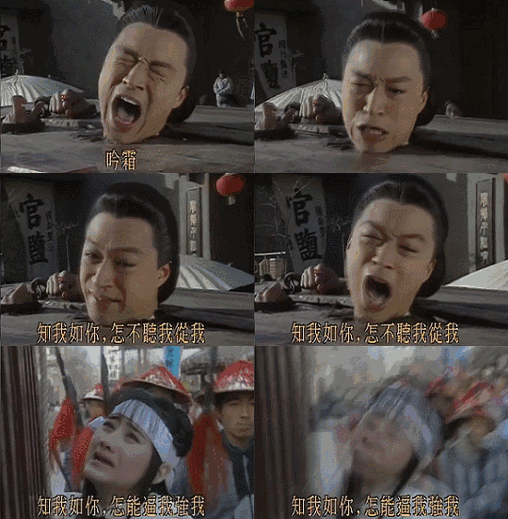
I have also made animation and expression packs by netizens.

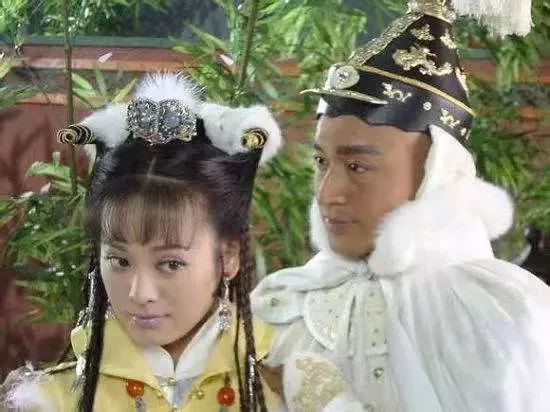
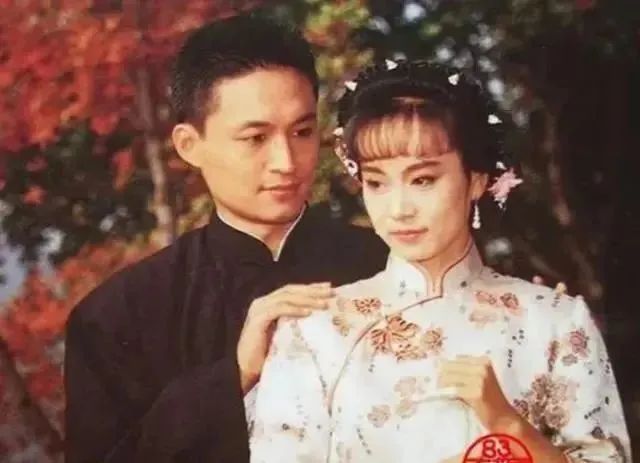
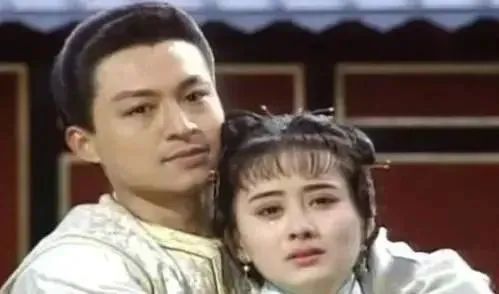
These stills are all from Ma Jingtao’s early Qiong Yao drama. At that time, Ma Jingtao was also the royal male master of Qiong Yao.

How was Ma Jingtao chosen by Aunt Qiong Yao, whose eyes were high and demanding? This has to start from the beginning. Ma Jingtao, born in Taiwan Province in 1962, had many hobbies since he was a child. In high school, he also formed a band with his classmates. After graduating from college, Ma Jingtao worked as an internship assistant in a TV station. Ma Jingtao’s father works in a police agency and is very supportive of his son’s choice. With the support of his father, Ma Jingtao made seven or eight TV series, such as Hometown of Stars, in one breath from 1984 to 1988.

In 1989, Ma Jingtao starred in Spring Gone and Spring Came Back. It is this work that made Qiong Yao take a fancy to it. Qiong Yao contacted Ma Jingtao to star in his own TV series. It is said that Ma Jingtao refused at first, and then Aunt Qiong Yao fought for it several times, which led to his first Qiong Yao drama "Xueke".

Later, he filmed Qiong Yao’s Grass by the Green River, Plum Blossom Branding and Shui Yunjian, which became a big hit.

Ma Jingtao’s face is tough, his eyebrows are deep, and his eyes are full of spirits. It is easy for him to be shaped into a young man who has just entered the WTO, is frank and sincere in honest and frank, and is indomitable for love. It is suitable for Qiong Yao’s drama, and it is also suitable for Zhang Wuji in "The Dragon Slayer" which he starred in later. However, he is not as "tender" as small fresh meat now. He has a muscular feeling on his face, so he still feels gloomy, decisive and wily. This kind of depression is obvious in the Secret History of Xiaozhuang.

To be honest, such a face determines that his acting path is not narrow, and he also has acting skills. Many people mistakenly think that Qiong Yao’s opera is about shouting, crying and pure feelings, so that there is no need for acting. That’s really wrong! Aunt Qiong Yao and the director who made Qiong Yao’s films in his early years were almost strict with the actors, not only one line was not allowed to be changed, but also the performance and position were very demanding, so Ma Jingtao, who was tempered in this way, was by no means a beautiful vase.

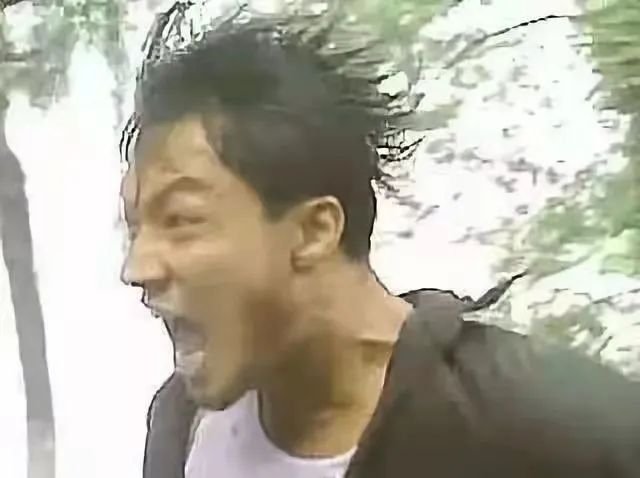
But with the spread of the famous scene of "Roar", people only remember him as the Roar Emperor. The last impressive appearance was at the Tucao Conference in previous years. But that part is really too! Fall! Hey! Yes!

That passage was strange and the performance was inexplicable. Ma Jingtao always repeated the "roaring" scene, but because it was too sudden or too much preparation, there was no "laughing" at all, and the scene was once silent.

Later, Ma Jingtao kissed Carina Lau in the process of interaction. Carina Lau’s expression at that time was: "I was so scared … …”

Later, Ma Jingtao made a special trip to apologize on his personal account. These responses were sincere to read, but the audience also knew that he might really not be suitable for such performances and variety shows, nor for the current network ecology.

After the "embarrassing incident" of Tucao Conference, Ma Jingtao has not appeared in public view, and there are few new works, especially variety shows. Appear again, that is, those Shang Yan clips on the short video platform, and the out-of-shape photos that have been madly transmitted from the media. In this era when all the past female stars bring goods and all the past male stars are in Shang Yan, there is nothing to blame for sinking the market in Shang Yan to make money, but it is still embarrassing that a generation of "Mark" in white has become like this.

Source: Yi Zhan WeChat official account

Process Editor: U063
 

In case of problems such as the content and copyright of the works, please contact this website within 30 days from the date of publication of the relevant articles. Contact number of copyright infringement: 010-85202353