Vacuum packaging is safer? Need to meet certain conditions
Original health news health news
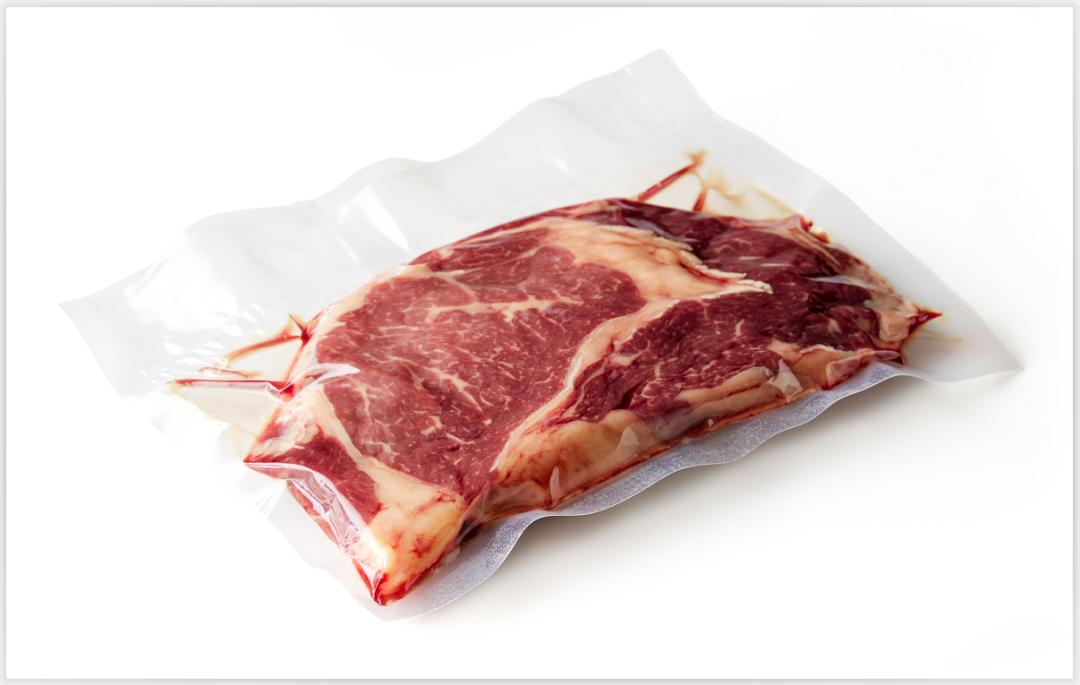
When it comes to vacuum packaging, most people think that this kind of food is not easy to go bad, and it doesn’t take much thought to store it, which is safer than the food in general packaging. Is this really the case?
✓
What has vacuum packaging changed?
Vacuum packaging is a "modified atmosphere preservation" process. The result of vacuum pumping is the elimination of oxygen in food.
The deterioration of food is closely related to oxygen. On the one hand, the oxidation of oil in aerobic environment will produce "spicy taste"; On the other hand, aerobic bacteria in food will grow, causing food to rot, become sour, smelly and sticky.
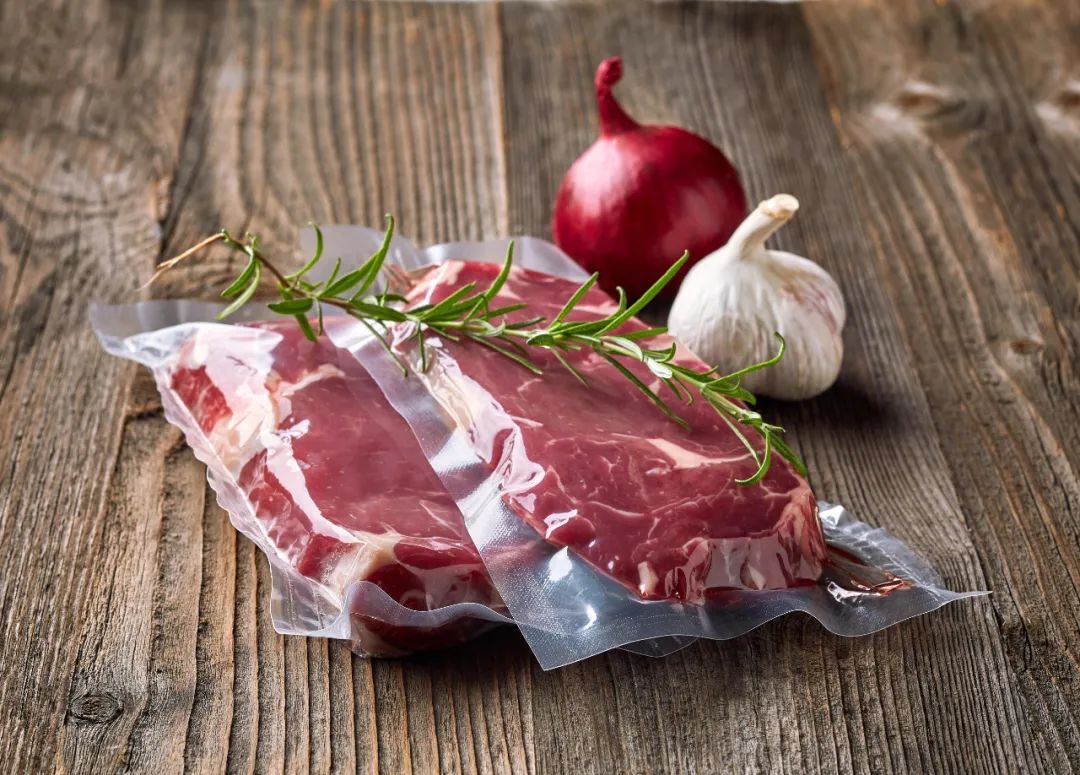
Vacuuming removes the oxygen in the packaging bag, the oxidation of oil is inhibited, the growth of aerobic bacteria is also inhibited, and the food can remain "unchanged" for a longer time. However, this "invariability" is only visual and olfactory. Nature is full of all kinds of bacteria. In the presence of air, aerobic bacteria can flourish and anaerobic bacteria can be inhibited. However, after vacuumizing, aerobic bacteria will be inhibited and anaerobic bacteria will be "like a duck to water".
Anaerobic bacteria will not make food sour, smelly and sticky when growing, but they can produce toxins. Among them, the most important is Clostridium botulinum, which is commonly known as Botox.
✓
How "awesome" is Botox?
Botox exists widely in nature, such as vegetables, fish, meat and poultry. Botox itself is not harmful, and it can be killed by normal cooking conditions (cooking food). However, the terrible thing about Botox is that it can form spores. Spores are tenacious, and can "stubbornly persist" in boiling water for several hours under neutral conditions. When the conditions are right (such as at room temperature, without enough preservatives and in a non-acidic environment), Botox can grow up and then produce botulinum toxin. Botulinum toxin is a very toxic biological toxin, and its lethal dose is in the order of microgram.
Ordinary cooking (cooking food) can kill Botox, but not spores. For example, at 100℃, it takes 5 hours to kill spores. Therefore, even in cooked food, there may be spores of botulinum. At this point, several situations may occur:
1. If these foods are eaten directly, then these spores will not cause problems; 2. Put the food in the refrigerator, because it is in a low temperature environment, these spores will not grow and produce toxins; 3. If the food containing spores is placed at room temperature, because there is oxygen in the air, these spores will not grow and produce toxins, but the food may be spoiled by other bacteria; 4. Vacuumize the food containing botulism spores, and put it in a normal temperature environment. At this time, the spores will grow into botulism and secrete toxins. On the surface, the food does not seem to go bad, but once people eat such food, they will be dizzy, weak and blurred, and even life-threatening.
✓
How to avoid botulinum toxin poisoning
Botox is widespread and botulinum toxin is "toxic", but there are not many actual poisoning cases. The reason is that when cooking at home or eating in a restaurant, most of the cases are made and eaten now, which will not give Botox any room to grow; In industrial production, as long as the norms are observed, the risks brought by Botox can also be avoided.
To put it simply, the basic techniques for avoiding the production of botulinum toxin in cooked food in the food industry are:
1. Low-moisture food
For example, foods such as nuts and biscuits have extremely low water content and will not grow bacteria. Vacuum packaging will inhibit oxidation, so that botulinum toxin will not be produced.
2. High-acid food with 2.pH below 4.6.
Under normal cooking conditions, the spores of botulinum can be killed, so that botulinum toxin will not be produced.
3. Neutral and high-moisture cooked food
Preservatives can be added to effectively inhibit botulinum, so that botulinum toxin will not be produced.
4. Neutral and high-moisture cooked food
Vacuum packaging (or non-vacuum) is adopted, and it is stored in cold storage/freezing condition, and the growth of botulinum is inhibited by low temperature, so that botulinum toxin will not be produced.
5. Neutral, high-moisture and preservative-free food
After ultra-high temperature heating and packaging under aseptic conditions, the spores of botulinum can be killed, and botulinum toxin will not grow in the later stage.
6. Neutral, high-moisture and preservative-free food
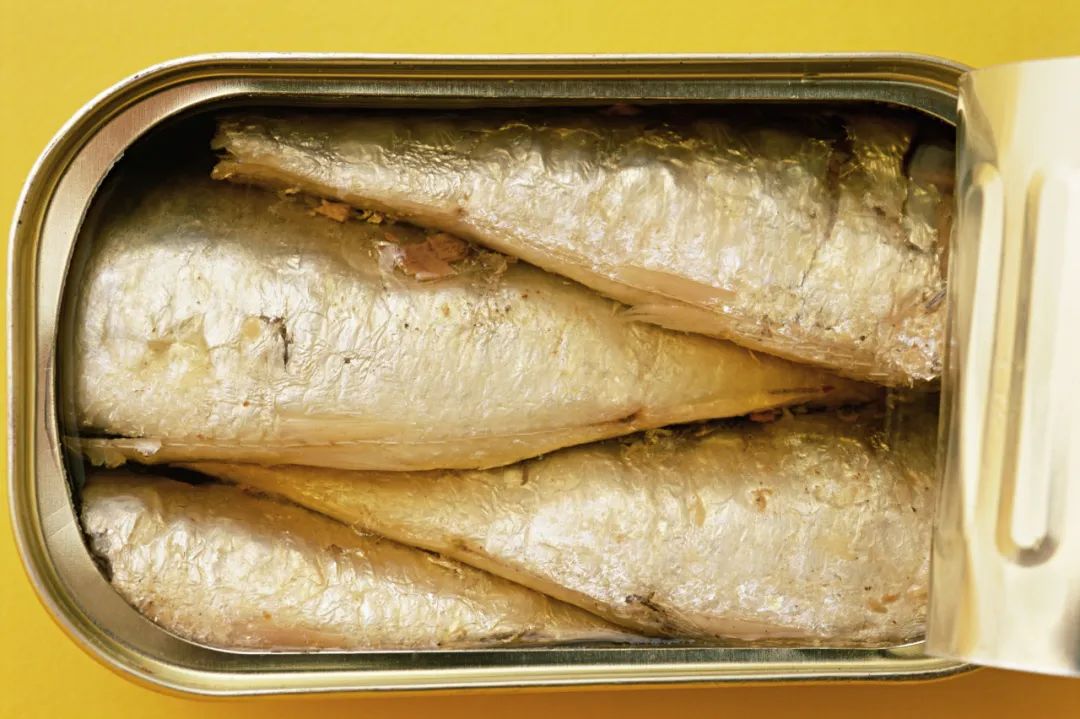
Through canned/soft canned packaging, after high temperature (not lower than 121℃) and long time (more than 20 minutes) heating, Botox is killed, and then stored at room temperature, so that botulinum toxin will not be produced.
You may wish to think about whether the ready-to-eat food you buy meets the above conditions. Simply put, it is meaningful to pack cooked food in vacuum, which can better maintain the flavor and taste. However, after vacuumizing, it is more necessary to carry out refrigeration, otherwise the safety risk will be higher.
Original title: "Vacuum packaging is safer? Need to meet certain conditions "
Read the original text